The 7th Lingnan Global Forum: Exploring Economic Transformation and the Future of Higher Education in the Age of AI
On January 21, 2026, the 7th Lingnan Global Forum was successfully held in Washington, D.C.. The Forum featured morning and afternoon sessions, hosted respectively by Lingnan College, Sun Yat-sen University, and Lingnan University, Hong Kong, with support from the Lingnan Foundation. The morning session, hosted by Lingnan College, Sun Yat-sen University, was organized under the theme "Building Minds: Economic and Educational Strategies at a Time of Great Change." It examined global economic transformation, evolving policy environments, and the impact of a new wave of technological change—particularly artificial intelligence—on market structures, talent development, and higher education systems.
Scholars and academic leaders from universities, research institutions, and international organizations in China and the United States participated in the session. Through keynote speeches and a high-level roundtable discussion, the meeting provided a platform for in-depth cross-national dialogue. The session was moderated by Dr. Mingmian Cheng, Associate Professor of Economics and Academic Director of International Programs at Lingnan College, Sun Yat-sen University.
Opening Remarks: Responding to Uncertainty through Education and Institutions
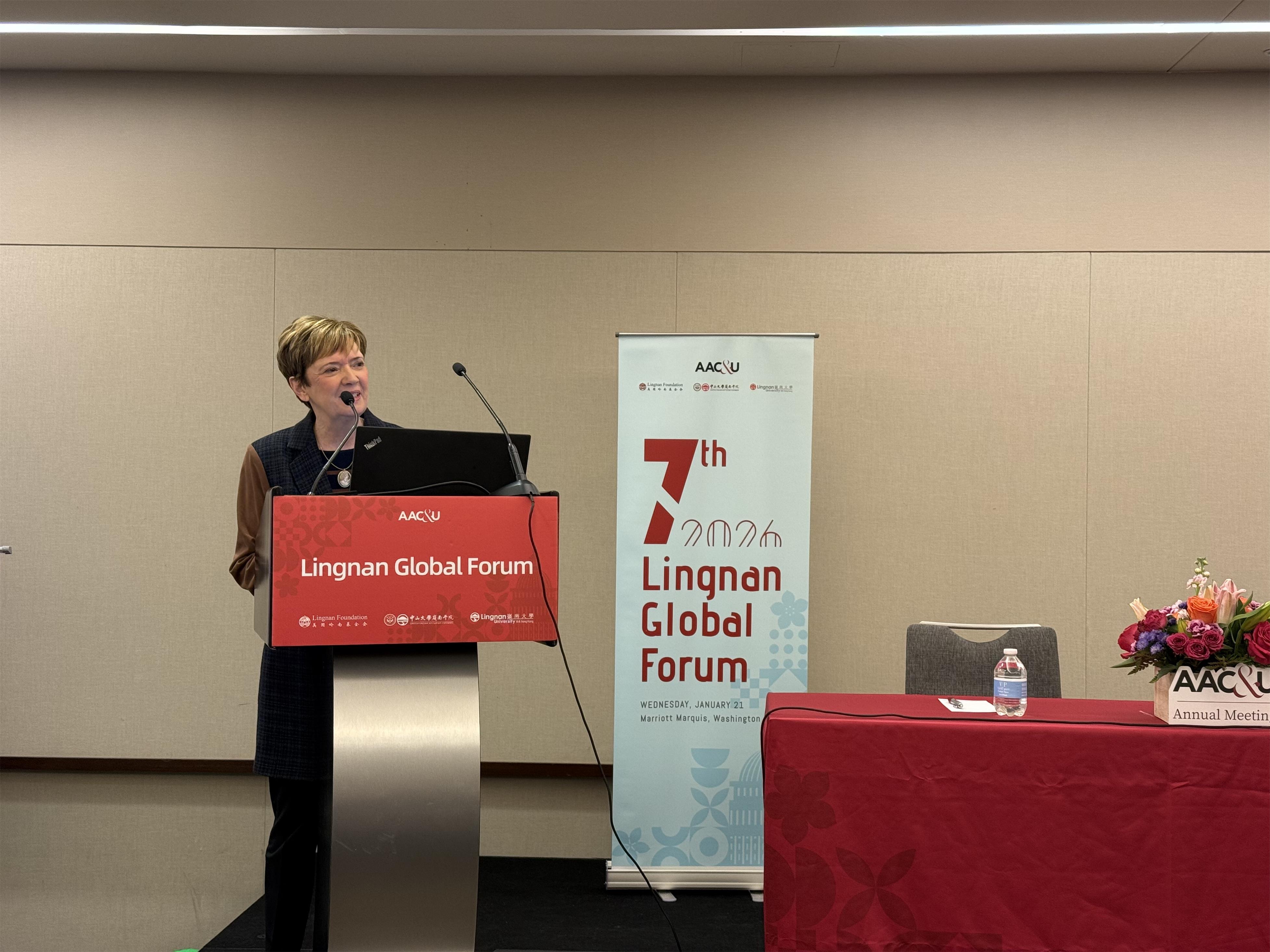
In her opening remarks, Dr. Lynn Pasquerella, President of the Association of American Colleges and Universities (AAC&U) and Chair of the Board of Trustees of the Lingnan Foundation, emphasized that higher education is at a critical juncture amid accelerating technological change, global economic restructuring, and growing social fragmentation. She noted that universities must actively shape their futures, serving not only as centers of knowledge production but also as key institutions for innovation and social value formation.
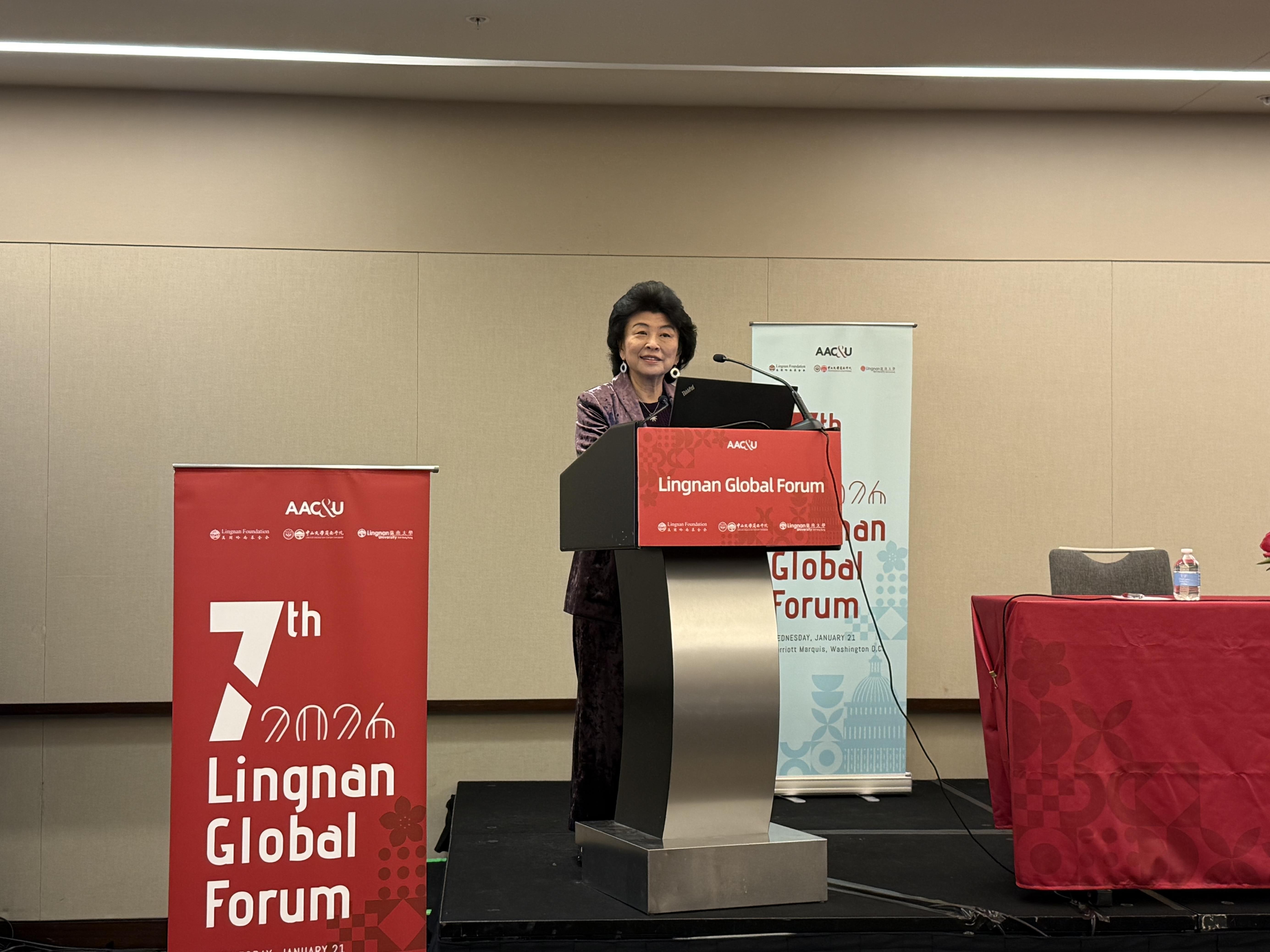
Dr. Ding-Jo Currie, President of the Lingnan Foundation, reflected on the Foundation's long-standing commitment—dating back to 1893—to supporting higher education and promoting academic exchange between China and the United States. She highlighted the increasing importance of cross-cultural and cross-institutional dialogue in an era of heightened global uncertainty, stressing that the interaction between education and economic foundations ultimately depends on human ideas, institutional choices, and collective action.
Dr. Yun Dai, Associate Dean and Associate Professor of Finance at Lingnan College, Sun Yat-sen University, introduced the College's recent initiatives in digital economy education, international collaboration, and degree program development. She discussed how Lingnan College is responding to geopolitical risks, structural economic adjustments, and technological disruptions through innovation in talent cultivation and academic partnerships.
Keynote Speech I: Micro-Level Transmission of U.S. Monetary Policy to the Chinese Economy
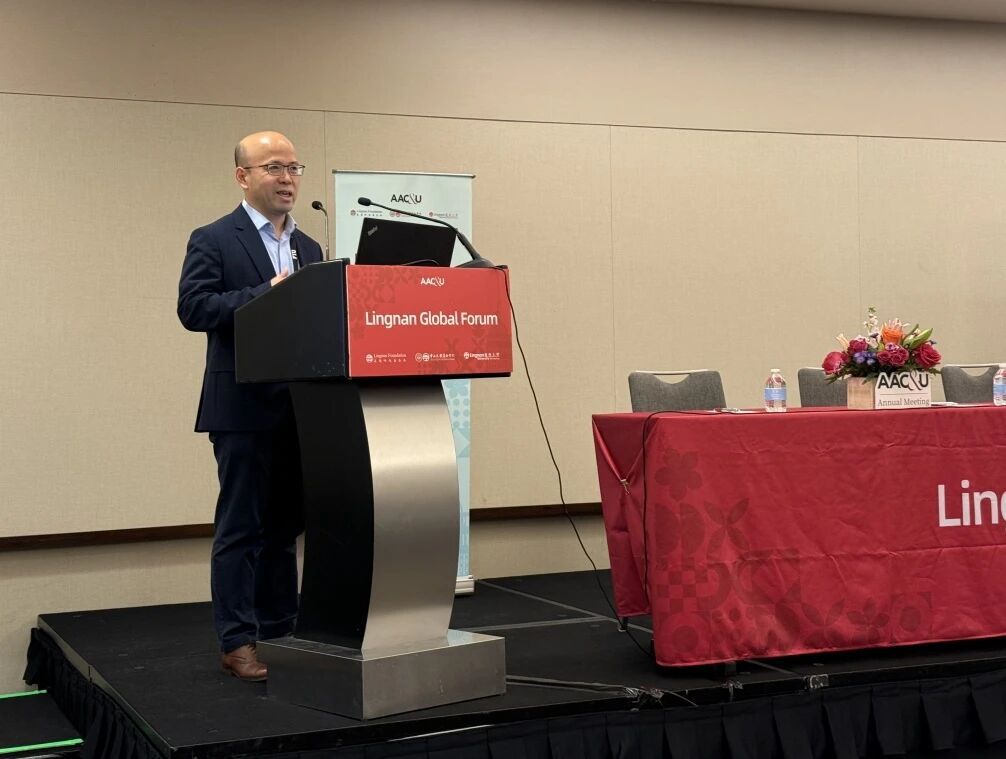
In the first keynote speech, Professor Kaiji Chen from the Department of Economics at Emory University presented his latest research on the micro-level transmission mechanisms of U.S. monetary policy to China's real economy. To address limitations in data frequency and cross-country comparison, the study incorporates nighttime light data released by NASA, combined with auction data and firm-level information.
The findings show that unexpected U.S. monetary tightening significantly suppresses micro-level economic activity in China, with the real estate and construction sectors serving as the primary transmission channels. These results provide new high-frequency evidence on the spillover effects of U.S. macroeconomic policy on the Chinese economy and offer important insights into key constraints facing China's structural economic adjustment.
Keynote Speech II: China's New Development Philosophy and Its Global Implications
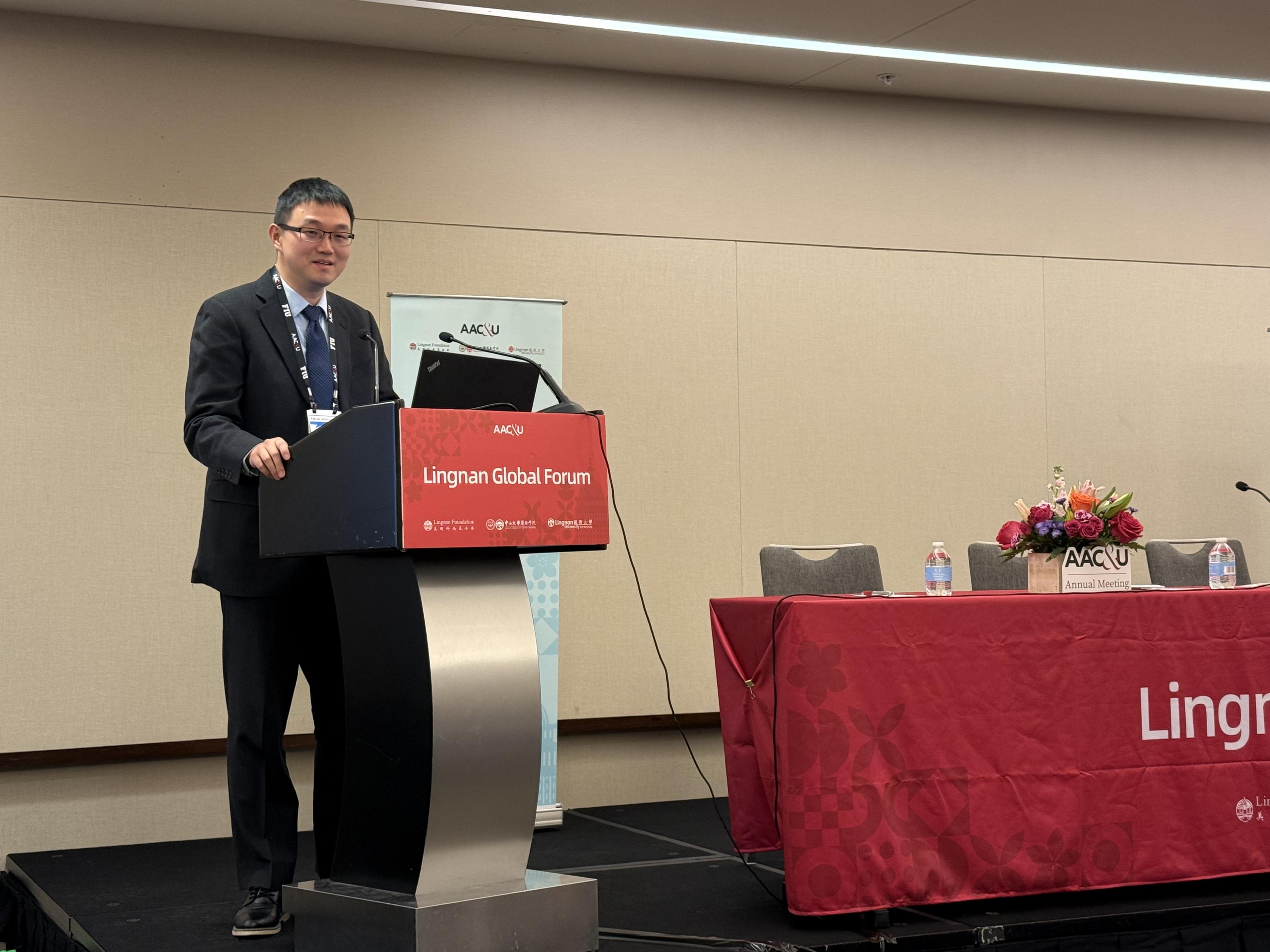
The second keynote speech was delivered by Professor Zhun Xu, Assistant Dean and Professor of Economics at Lingnan College, Sun Yat-sen University. He systematically examined the background, theoretical foundations, and practical logic of China's New Development Philosophy, and analyzed its implications for global economic governance from a comparative perspective.
Professor Xu emphasized that the New Development Philosophy—centered on innovation, coordination, green development, openness, and inclusiveness—represents a systematic reflection on and transcendence of traditional growth models driven primarily by scale expansion and efficiency. Drawing on empirical evidence and case studies, he highlighted its achievements in poverty reduction, income distribution improvement, green transition, and regional coordination, while also acknowledging the challenges posed by rising global uncertainty and economic slowdown.
Roundtable Discussion: Reframing the Value of Higher Education in the Age of AI
The session concluded with a roundtable discussion titled "The Future of Higher Education in the Age of AI," moderated by Professor Hui Chen of the MIT Sloan School of Management. Panelists included Mr. Tony Mok, Vice President of the Lingnan Alumni Association (Eastern U.S.); Dr. Xubei Luo, Senior Economist at the World Bank; Dr. Yun Dai, Associate Dean of Lingnan College, and others.
The discussion explored whether the degree premium may decline in the AI era, evolving employer expectations, micro-credentials, and lifelong learning. Panelists broadly agreed that while AI is reshaping the labor market, higher education's core value lies not in information itself, but in cultivating adaptability, judgment, and continuous learning capabilities. Universities, they argued, will not be marginalized by AI, but their functions and missions are undergoing profound transformation.
Conclusion
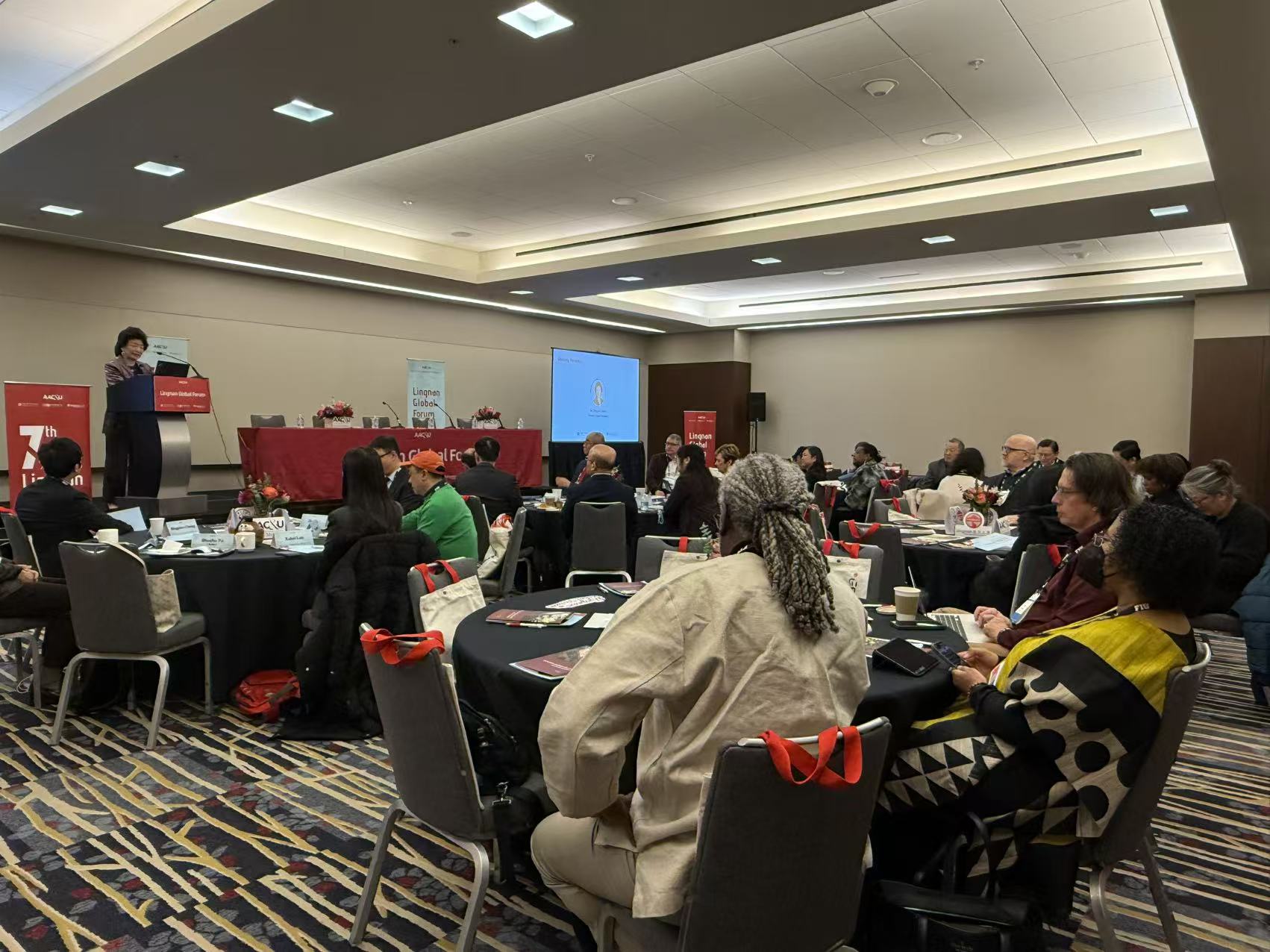
Participants widely agreed that the session provided a high-level platform for cross-national dialogue on economic transformation and higher education reform. The discussions offered forward-looking perspectives on how universities can respond to uncertainty and redefine their roles in the AI era. The successful convening of the morning session of the 7th Lingnan Global Forum further highlighted Lingnan College, Sun Yat-sen University's active engagement and growing influence in international academic exchange and debates on the future of higher education.